A good first message to an interior designer does not need a style name or a finished plan. Tell them which space needs help, what is not working, what you want to keep, and how much of the work you want to handle yourself. That gives both of you a useful place to start.
Start with the decision in front of you
“I need help with my living room” is a start. “We use the living room every evening, but the seating does not let us talk comfortably” gives a designer something to work with.

Name the room and the problem as plainly as you can. It might be a layout that makes movement awkward, a color choice you keep postponing, or a collection of furniture that has never quite settled together. You do not have to diagnose the solution. The useful detail is how the room behaves in real life.
Say what already belongs in the room
A home is rarely a blank canvas. Tell Nancy about the pieces you want to keep: a sofa that still works, a family table, a painting, or a rug you love even though you cannot yet explain where it should go.
You can also say what you are willing to change. A designer needs to know the difference between a nonnegotiable piece and one you would replace if there were a better fit. That distinction keeps the conversation grounded in your home rather than an imaginary empty room.
Be clear about the help you want
Revival Room offers three levels of support. A Signature Design Day is for focused clarity, ideas, links, and sketches. Design-Only Service provides schematics and shopping links for you to implement. Full-Service Interior Design can include design, sourcing, purchasing, installation, and styling.
You do not need to select a package before reaching out. Do say whether you want to carry out a plan yourself or would like help with the later steps. That helps Nancy understand the scope of the decision and point you toward a fitting service. You can compare the services on the Revival Room site.
Include the people who will live with the decision
If another person shares the room, mention them. One partner may love bold color while the other worries about living with it every day. Neither person needs to arrive with the same answer. Both should have room to explain what matters to them.
Revival Room’s PLAY process connects practical needs with Passions and Pursuits, Leisure, Adventures and Activities, and Your Story. Honest input from the people who use the home helps that process produce a direction that feels personal and workable. You can read how PLAY works.
Share your boundaries early
A useful first note includes any timing or investment limits you already know, even if they are rough. It can also name a piece you cannot move, a room that must work for children, or a part of the project you plan to do yourself.
If you do not know your budget yet, say that. The first conversation can help clarify the scope before anyone pretends a number is a fixed quote.
A simple first message
You could write:
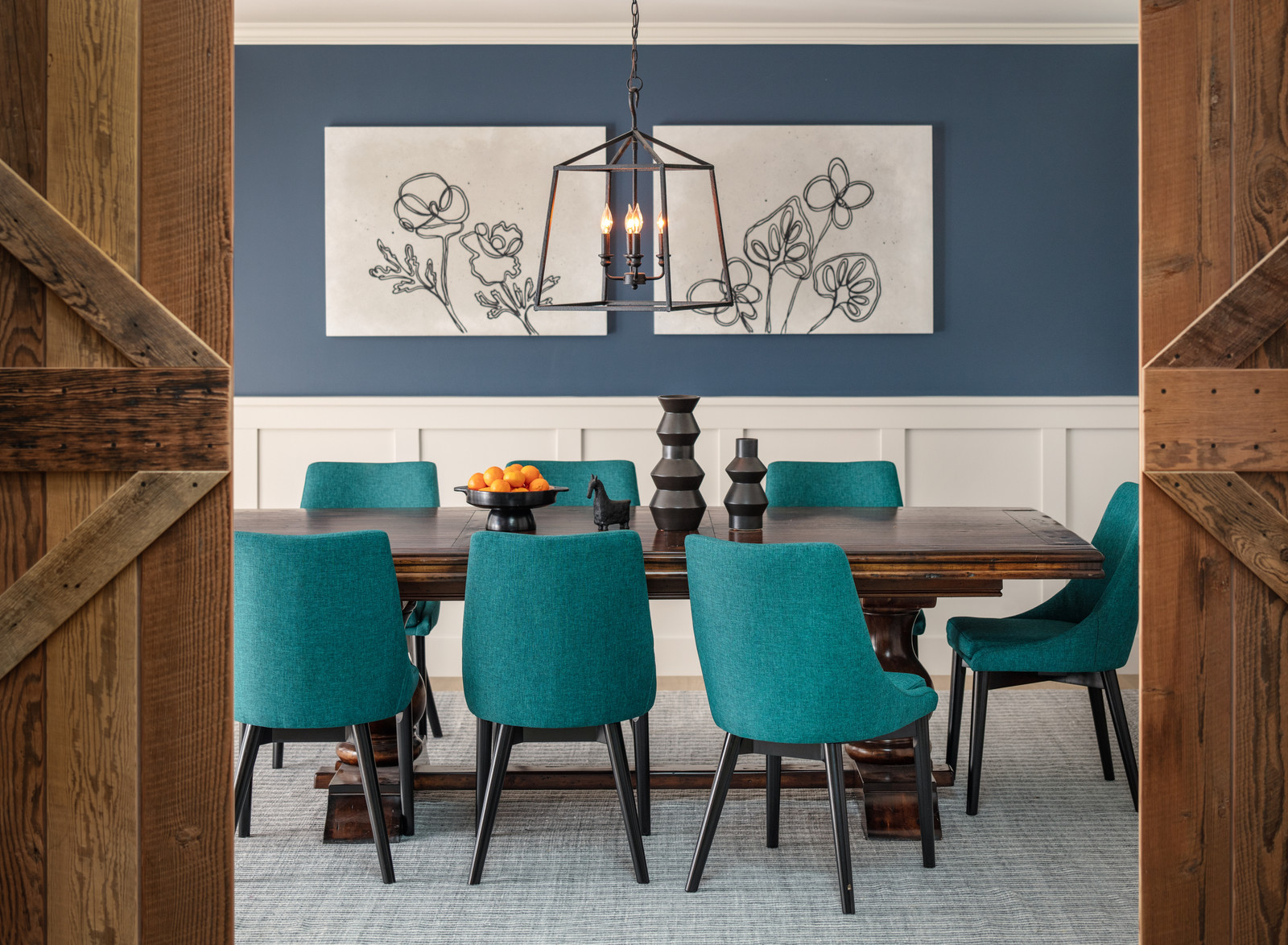
We are looking for help with our dining room. We use it every day, but the lighting and furniture placement are not working. We want to keep our table and would like advice on the rest. We are open to doing the purchasing ourselves, though we would like to understand what a broader service would include. Both of us will be involved in the decisions.
That is enough to begin. It names the room, the friction, an existing piece, the desired level of support, and the decision-makers. Nancy can ask better questions from there.
You can bring your own questions, too. This guide to questions to ask a Portland interior designer helps you evaluate process and fit. When you are ready, tell Nancy about the room and the decision you are facing.