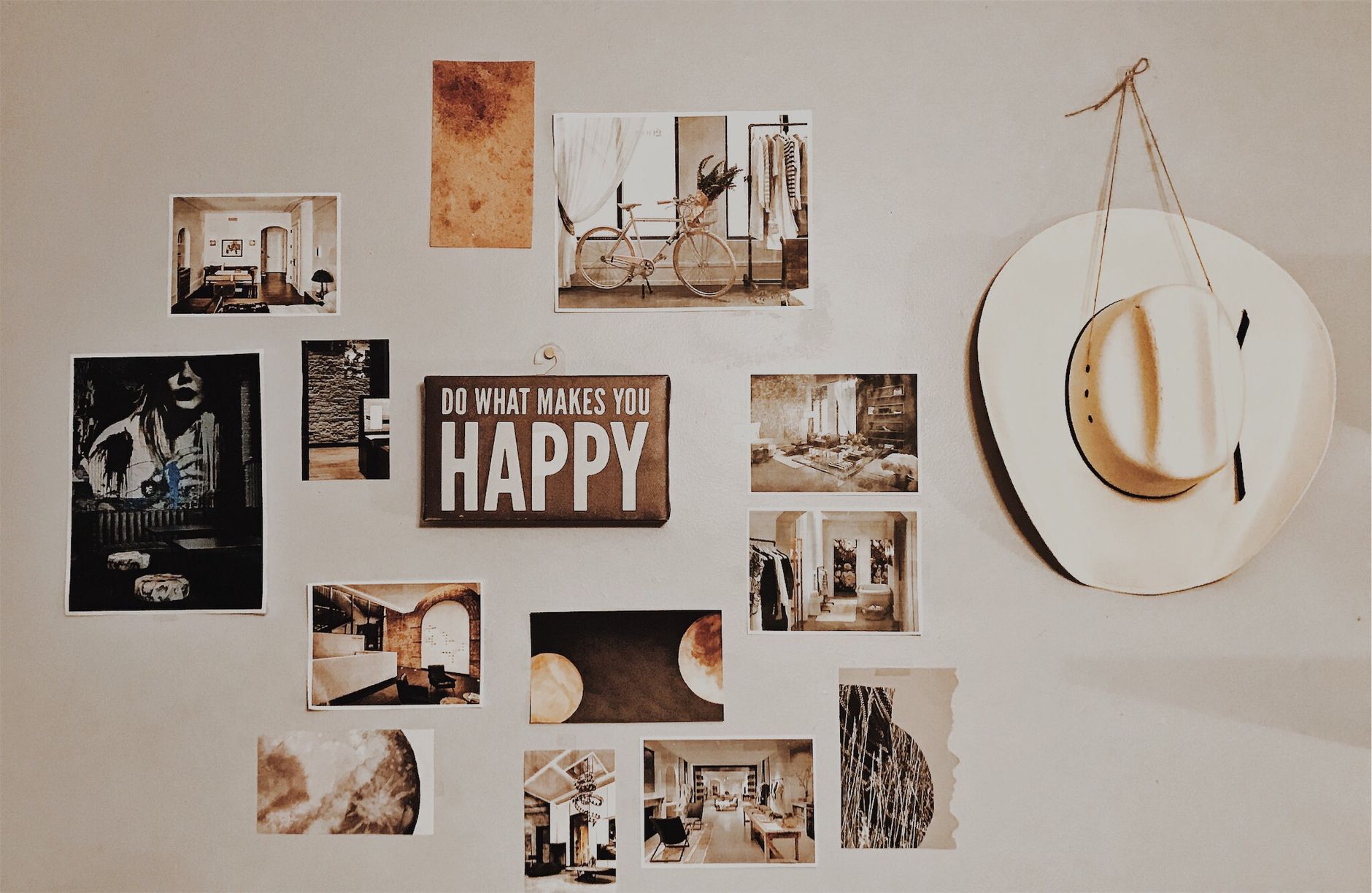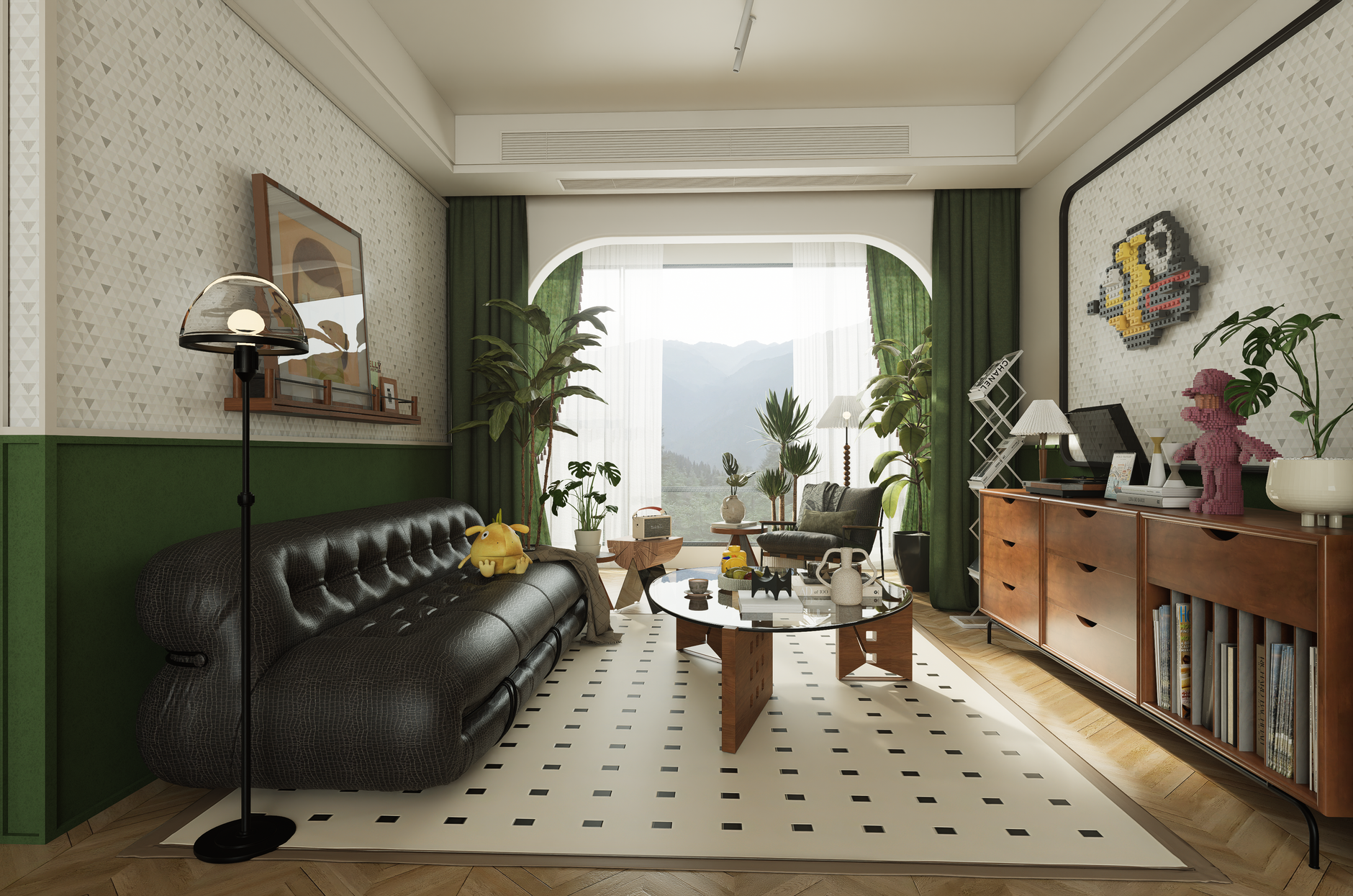

Revival Room’s PLAY process is a deep-dive interview that connects practical design needs with four parts of a client’s life: Passions and Pursuits, Leisure, Adventures and Activities, and Your Story. The purpose is to design around the people who live in the home instead of imposing one signature look.
Practical questions come first
PLAY is not an exercise in collecting interesting stories while ignoring function. Nancy Romweber begins with concrete questions: How do you entertain? Where do you eat? How is the room used? What functions or appliances are necessary?
Those answers establish the bones. The personal questions help shape the layers.
P is for Passions and Pursuits
This part looks at interests that deserve a place in daily life. The goal is not to decorate a room with a hobby as a theme. It is to notice what someone cares about and consider how the home can support or reflect it.
L is for Leisure
Leisure asks how someone likes to spend unstructured time. Reading may suggest a quiet nook. Watching football may make a television in the kitchen practical. Nancy uses that second example in her own home; it is a personal choice, not a rule for every client.
A is for Adventures and Activities
Travel, shared activities, and memorable experiences can supply useful visual language. In one approved anonymous example, a client described a honeymoon trip to see the Northern Lights. Nancy used the colors and stark sky as the basis of the home’s palette and included a Northern Lights image on the mood board.
Y is for Your Story
Your Story brings memories, routines, and instinctive preferences into the conversation. Nancy may use a “this or that” card deck to compare rooms and styles, then ask why the client responds to each image. The reason behind a reaction is often more useful than the label attached to the style.
How PLAY becomes design work
For full-service projects, the process begins with the PLAY interview. Revival Room then develops a mood board with real samples and inspirational images, gathers client feedback, and makes a round of revisions. Schematics with materials and pricing follow, with further revision if needed, then purchasing, installation, and styling.
Design-Only uses the same commitment to practical and personal context but delivers schematics and shopping links for the client to implement. Signature Design Day is more focused, providing clarity, ideas, links, and sketches.
What makes the process different?
PLAY treats client participation as part of the design material. Revival Room does not ask clients to choose a finished look from a catalogue of styles. It asks them to respond honestly so the home can hold function, story, connection, and a few micro-joys that belong to the people living there.
That approach works best when clients are willing to participate and give timely feedback. The result should feel like their life—not like a showroom and not like Nancy’s house.
See how PLAY informs each level of help on the Revival Room services page. If a room in your home needs a fresh direction, tell Nancy what feels stuck.