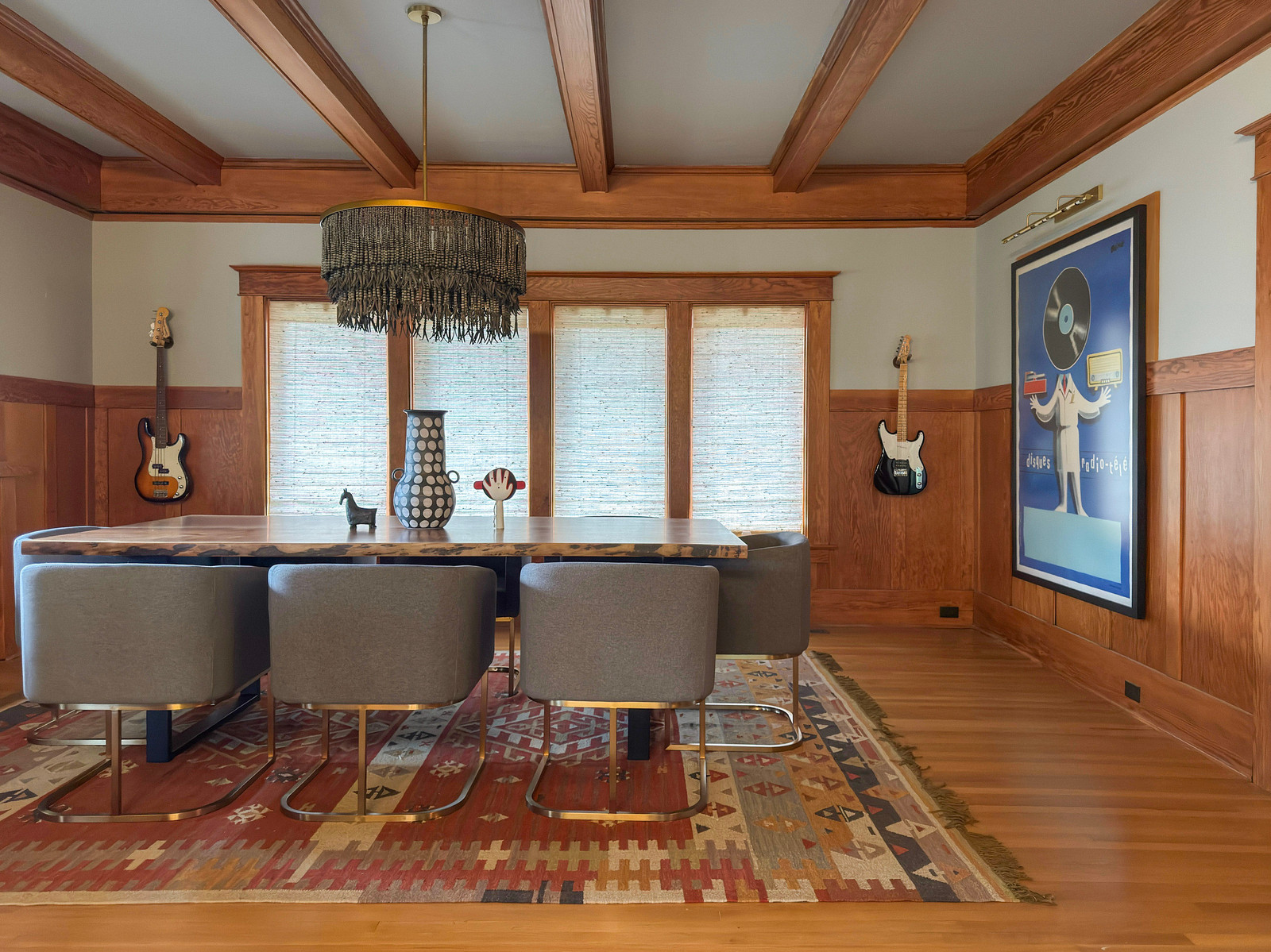
Absolutely it can—if the kitchen is where people want to be. Furniture layout should begin with the life of the room, not with a rule about where a sofa is supposed to go.
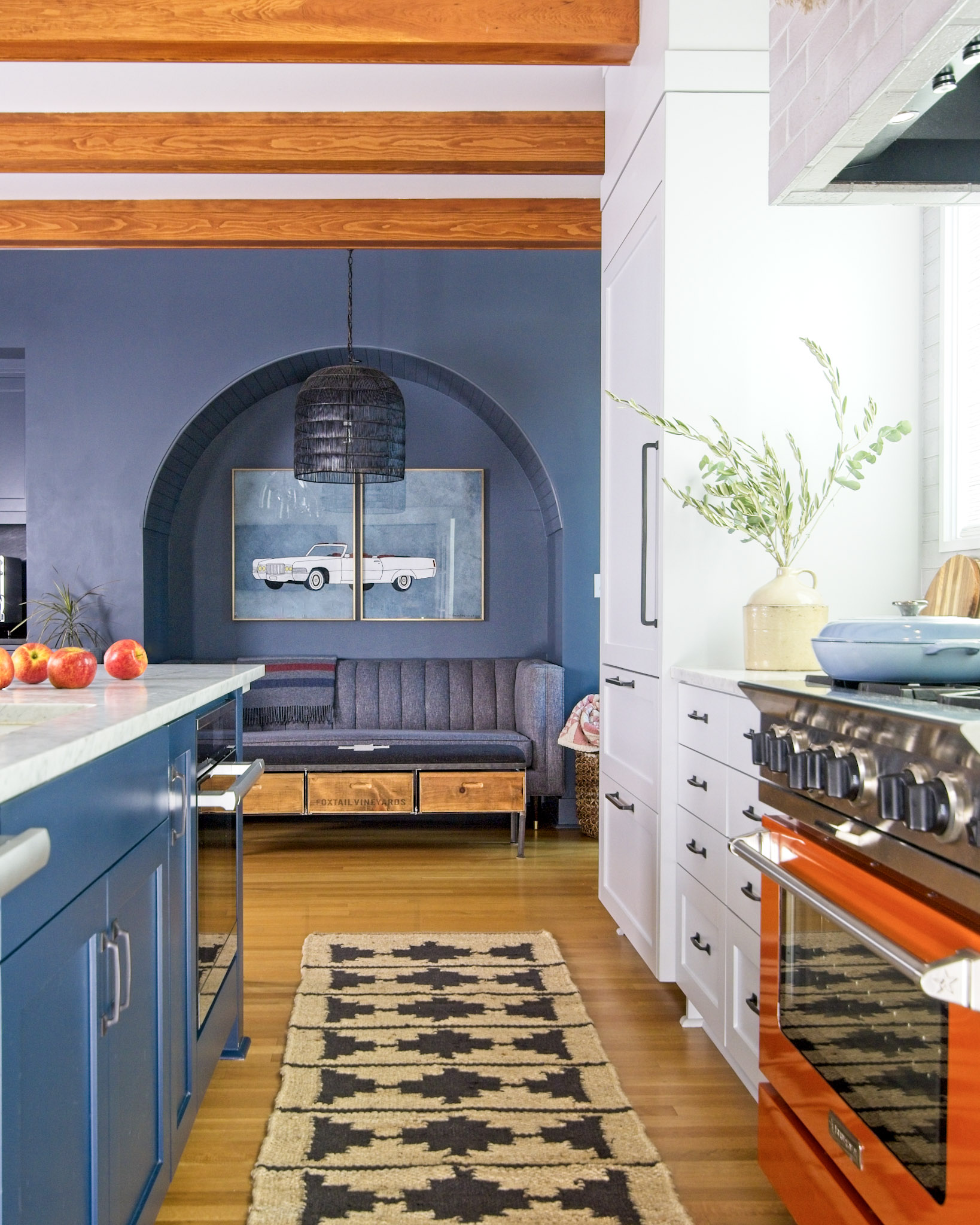
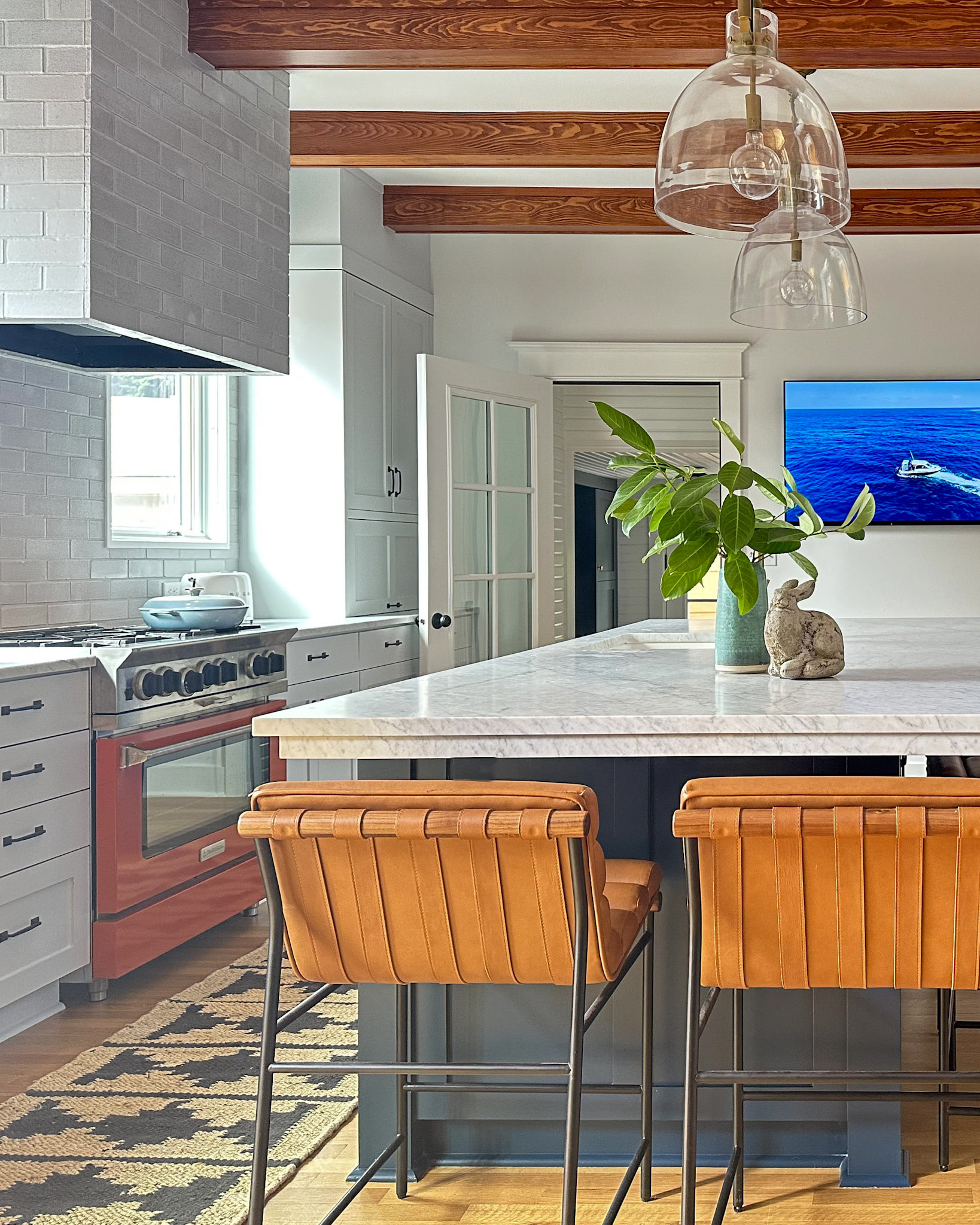
In my own home, we love cooking and hosting football Sundays. We chose a large marble island with six chairs and put a couch in the kitchen. The family spends a lot of time there, and guests enjoy the couch. In fact, our buddy affectionately calls it his couch. It may sound like an odd move on paper. For us, it reflects how we actually live.
That is the first question I ask about a room: What do you want to do here? Before choosing a new piece, I want to know who uses the space, what happens on an ordinary day, and what changes when friends come over. A beautiful chair in the wrong place is still in the wrong place if nobody ever sits in it.
Start with the activity, then draw the paths
If a living room needs to hold conversation, television, reading, and a clear route to the kitchen, write those jobs down. They might not all need their own zone, but each deserves a place in the plan. Then look at the routes people actually take. Can someone cross the room without walking through a conversation? Can a cabinet or door open comfortably? Can people pull out a chair without blocking the way?
You can test a possible layout with a rough sketch and the dimensions of the pieces you already own. Painter’s tape on the floor can help you see the footprint of a new piece before you buy it. Walk the routes. Sit where you would sit. Notice whether the room feels easy to use.
Give the big pieces a purpose
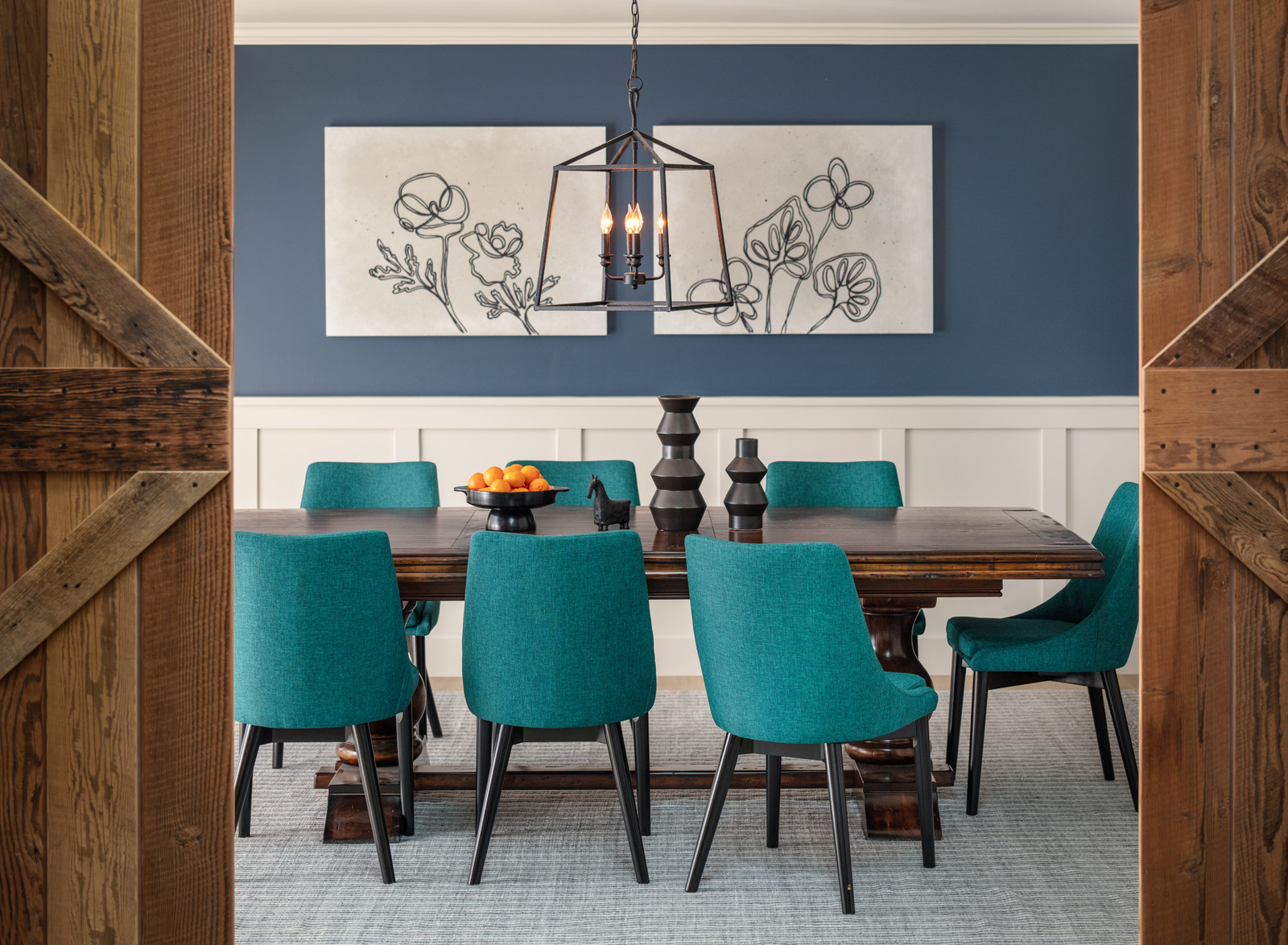
I like to place the pieces that do the most work first. In one home that might be a dining table; in another, a sofa facing a fireplace. Ask what each piece makes possible. Does the table invite people to stay? Is there a comfortable spot to read? Does the seating let people talk without shouting across the room?
After that, the smaller pieces can do their jobs. A side table should be within reach of the person using it. A lamp should light the activity beneath it. Art belongs where people can enjoy it, rather than in the only patch of wall left over. The details matter because they change how a room feels to use every day.

When designing your home, let your habits have a vote. Sometimes that means making room for a couch in the kitchen.
If you have a room that almost works but you cannot see the right arrangement, Signature Design Day is one way to get focused direction, ideas, links, and sketches. Tell me about the room and what you want to do there. We can start with the life inside it.